


The Role of Exterior Architecture in Setting the Tone for Events
Long before guests step inside a venue, their expectations are already forming. Exterior architecture—the façade, landscaping, roofing, pathways, lighting, and overall structural design—creates an immediate impression that influences how attendees anticipate the event ahead. Whether it’s a banquet hall, conference center, or cultural venue, the outside environment communicates purpose, professionalism, and ambiance. When planners and owners understand the power of thoughtful architectural design, they can elevate the full guest experience through intentional curb appeal. After all, both the interior and exterior details matter in creating an environment that feels cohesive, inviting, and memorable.
The First Impression Starts at the Curb
Guests begin forming opinions the moment a venue comes into view. A well-maintained façade signals organization and care while a neglected exterior can introduce doubt before the event even begins. Whether modern minimalism, classic elegance, industrial edge, or rustic charm, architectural style sets the tone for what visitors can expect inside. Complementary elements such as landscaping, signage, and lighting collectively influence the emotional impact of arrival.
Event planners often reference tools like an ultimate event planning checklist, yet the surrounding environment outside the building can be just as influential as the décor and layout inside. A corporate gathering may feel more at home in a sleek place with metal accents and structured pathways while a wedding may call for soft exterior lighting, blooming greenery, or decorative stonework. When the approach to the venue reflects the event’s theme, guests step inside already immersed in the intended atmosphere.
Architectural Style as an Extension of Brand Identity
The exterior of a venue acts as a silent but effective ambassador for its brand. Architectural choices communicate values, personality, and tone long before a host or planner says a word. A banquet hall featuring grand doorways, warm lighting, and refined materials immediately conveys formality and celebration. In contrast, a building with sharp lines, neutral palettes, and minimalist features signals modernity and innovation—qualities ideal for tech events or contemporary weddings.
When style and branding align, planners can more easily envision how their event will look and feel within the space. This sense of alignment helps build confidence in the venue’s ability to deliver a consistent experience from arrival to departure.
The Role of Landscaping in Mood and Flow
Landscaping is an essential component of exterior architecture because it guides movement and shapes mood without saying a word. Strategic placement of trees, shrubs, and hardscape elements can direct guests naturally toward the entrance, enhancing flow and preventing confusion. A winding garden path may evoke charm and romance while a straight, wide walkway gives off a more professional ambiance.
Seasonal plants, lighting accents, and decorative features like fountains or sculptures also play a role in how guests feel as they approach the venue. For events that include outdoor photography, cocktail hours, or reception areas, these landscaping choices become part of the event itself. Even spaces with limited greenery can improve visual interest with planters, architectural lighting, or creative outdoor seating arrangements.
Roofing and Structural Details That Support Functionality
Although often overlooked, roofing significantly influences both aesthetic appeal and practical performance. The material, colour, and shape of a roof contribute to the building’s architectural character whether it’s bold and dramatic or understated and modern. Roofing also provides functional advantages by affecting acoustics, climate control, and weather protection.
Sheltered entryways, covered drop-off zones, and extended awnings ensure comfort for guests during unpredictable weather. Other exterior structures, such as columns, terraces, canopies, and balconies, add visual depth and expand usable event space. When these elements work together, they create a venue that not only looks appealing but supports smooth, comfortable guest transitions.
Cohesion Between Exterior and Interior Experience
For an event experience to feel complete, the exterior and interior should complement each other. If guests walk up to a beautifully designed building but step into an interior that feels mismatched, the disconnect can diminish the overall impact. Coordinated materials, colour palettes, and lighting styles create continuity between the outside and inside.
For planners, cohesion sets accurate expectations. For venue owners, it reinforces brand identity and increases client satisfaction. A venue that feels thoughtfully designed from the parking lot to the main hall is far more likely to leave a lasting, positive impression.
Exterior architecture plays a critical role in shaping how guests perceive an event long before they step inside. Through thoughtful façade design, landscaping, structural elements, and roofing choices, planners and venue owners can create a compelling sense of arrival that enhances atmosphere and functionality. In today’s competitive market, where venue presentation is important, investing in exterior appeal is both strategic and impactful. When executed with intention, the outside of a venue becomes an integral step in crafting an unforgettable event experience.


The Ultimate Corporate Event Checklist: From Planning to Post-Event Experiences That Impress
A successful corporate event is built on thoughtful planning, seamless execution, and memorable follow-up experiences. Whether you’re hosting a conference, training session, holiday party, or appreciation event, the details you prioritize will shape attendee satisfaction. This guide walks you through the essentials from choosing the right corporate venue and arranging catering to organizing presentations and post-event activities that leave teams feeling valued.
1. Establishing Goals and Creating a Realistic Budget
Every great event begins with clear objectives. Are you celebrating a milestone, onboarding new clients, strengthening internal collaboration, or delivering critical business updates? Once the purpose is established, your next step is budgeting for a corporate event. This budget should outline major categories such as venue rental, catering, technology needs, décor, transportation, and entertainment.
A well-structured budget ensures you allocate resources wisely while still delivering an impressive experience. Building in a small buffer helps accommodate last-minute adjustments, allowing the event to maintain its professional tone even as plans evolve.
2. Choosing the Right Corporate Venue
With your goals and budget in place, the venue becomes the backbone of your event. When choosing a corporate venue, consider accessibility, parking availability, capacity, and ambiance. A polished banquet hall is often an excellent option because it provides flexibility for everything from formal dinners to multimedia presentations.
Pay close attention to the hall’s layout. Does it accommodate breakout sessions? Is there space for check-in tables or sponsor booths? Are acoustics suitable for speakers and panel discussions? The more thoughtfully you match your venue to the structure of your event, the smoother the experience will feel for attendees.
3. Crafting a Catering Plan That Satisfies Everyone
Food plays a surprisingly large role in shaping how participants remember an event. As an organizer, you may struggle with choosing between a buffer or a plated dinner for your corporate event, as each has advantages. Buffets offer variety, flexibility for dietary needs, and opportunities for casual mingling. Plated dinners feel more formal, create a sense of occasion, and keep the schedule tight by minimizing movement around the room.
Whichever you choose, coordinate with the caterer early to confirm timing, service logistics, and menu adjustments. Keeping refreshments replenished and mealtimes punctual reinforces your event’s professionalism and helps guests stay focused.
4. Designing Presentations and Entertainment That Engage
Corporate events thrive when attendees stay engaged, and this depends on delivering high-quality content. Ensure presenters are well-prepared, test all AV equipment in advance, and provide clear visual aids. Consider integrating panel discussions, Q&A sessions, or interactive workshops to maintain energy.
Entertainment also matters more than many planners realize. Thoughtful activities, such as live music during receptions, team-building exercises, or branded photo stations, add warmth and personality to your gathering. The right mix of structure and creativity helps attendees feel both informed and appreciated.
5. Managing On-Site Details With Professional Precision
On the day of the event, attention to detail determines how polished everything feels. Assign team members to oversee registration, ushering, timekeeping, and vendor coordination. Prepare backups for microphones, lighting, and presentation files to avoid unexpected disruptions.
Small gestures, like clear signage, accessible charging stations, or having staff readily available for assistance, go a long way in elevating the experience. When guests perceive that every element has been thoughtfully planned, they’re more likely to stay engaged and leave with a positive impression.
6. Enhancing the After-Event Experience
Post-event activities are powerful tools for strengthening relationships and reinforcing the event’s message. Consider hosting a relaxed follow-up gathering or offering team-bonding experiences that help colleagues unwind. A popular option is an indoor golf simulator, which encourages friendly competition in a low-pressure environment and appeals to participants of varying skill levels.
Such activities offer a refreshing contrast to the structured nature of the main event. They give teams an opportunity to build rapport, celebrate accomplishments, and continue discussions in a more casual setting, ensuring the entire experience feels cohesive and memorable.
Corporate events become unforgettable when planners strike the perfect balance between organization, hospitality, and thoughtful post-event enjoyment. From selecting a well-equipped banquet hall to fine-tuning catering decisions and facilitating engaging follow-up experiences, every detail shapes how attendees remember the day. By approaching each phase with intention, you ensure your event stands out not only for its professionalism but also for the meaningful connections it helps create.

Budgeting for Corporate Events: Tips for Planners
Hosting a corporate event requires more than great ideas; it demands careful financial planning. Whether organizing an executive meeting, a client dinner, or a networking event for professionals, success depends on balancing quality with cost efficiency. Every choice, from choosing a corporate venue to designing the guest experience, should reflect your organization’s standards while staying within budget.
Establishing a Solid Budget Framework
Before booking a space or selecting menus, identify your total spending limit and divide it into key categories. The major costs typically include the banquet hall rental, catering, entertainment, and technology. On average, the venue accounts for about a third of total expenses, while catering takes another substantial portion. Entertainment, audiovisual support, décor, and incidentals fill the remaining share.
Planners should ensure microphones, screens, Wi-Fi, and presentation equipment are also included in the budget from the start. Neglecting this category may lead to last-minute overspending when technical needs arise unexpectedly.
Choosing a Corporate Venue
Selecting the perfect venue is often your most important and most expensive decision, so make sure to also look beyond aesthetics and price tags. A well-equipped banquet hall that includes tables, linens, lighting, and on-site staff can provide tremendous value by eliminating outside rentals. Accessibility is another factor to weigh carefully; convenient parking or proximity to hotels can make a significant difference for attendees traveling from other offices or cities.
Don’t assume that a more expensive venue guarantees a better experience. The best locations offer flexibility, attentive service, and amenities that support your event goals, not unnecessary extras. Ask about bundled services or weekday discounts to make your budget go further.
Managing Catering Costs Wisely
Catering has a direct impact on guest satisfaction, but it’s also one of the easiest areas to overspend. The goal is to strike a balance between quality and practicality. For instance, a plated meal might suit an executive luncheon while a buffer or passed hors d’oeuvres may better encourage networking for a professional, such as a lawyer or an accountant.
Working with the banquet hall’s culinary team can help you plan a menu that aligns with both budget and theme. Opt for seasonal dishes to reduce ingredient costs and maintain freshness. Consider limiting bar hours or offering a few signature cocktails instead of a full premium selection. These subtle adjustments can preserve the event’s quality without stretching finances.
Investing in Technology and Audiovisual Support
Modern corporate events rely heavily on technology for presentations, live streaming, and communication. Because technology is important for any corporate gathering, allocating adequate funds for reliable audiovisual systems is essential. Seek venues that include built-in sound and lighting or have partnerships with trusted AV providers. Not only does this save money, but it also ensures a smoother, more professional experience.
Even smaller details, like ensuring strong Wi-Fi or having a technician on site, can make the difference between a polished event and a stressful one. Investing in dependable technical support prevents disruptions that could otherwise reflect poorly on your organization.
Enhancing the Guest Experience
Beyond logistics, a thoughtful event budget considers how attendees will feel. Guest experiences, such as entertainment, décor, and personalized touches, should enhance the event’s purpose without inflating costs. A keynote speaker, tasteful live music, or a small branded gift can elevate the occasion and make it memorable.
Tailor these choices to your audience. Executives may appreciate elegant table settings and a calm, professional atmosphere. Clients might respond best to warm, personal touches that foster connection. Professionals might prefer efficient service, quality food, and a structured agenda. Aligning the experience with attendee expectations ensures every dollar spent contributes to the event’s impact.
Tailoring the Budget to the Audience
A well-structured budget is not one-size-fits-all; it should reflect the people you’re hosting. Executive retreats may call for higher-end catering and exclusive venues while training sessions or professional mixers might prioritize comfort and practicality. When planning for client events, it might be worth allocating more toward ambiance and hospitality, as these moments often reinforce long-term relationships.
The guiding principle is to ensure that the tone, menu, and environment all mirror the professionalism of your audience. Whether it’s a formal dinner for senior leadership or a continuing education seminar for lawyers, each element should feel deliberate, cohesive, and consistent with your organization’s brand.
Budgeting for a corporate event is both an art and a strategy. The best way to stretch your budget is through early organization and clear communication. With thoughtful planning, careful vendor selection, and a focus on audience expectations, you can host an event that’s impressive, seamless, and financially sound.
The Perfect Venue Checklist: Why Interior and Exterior Details Both Matter
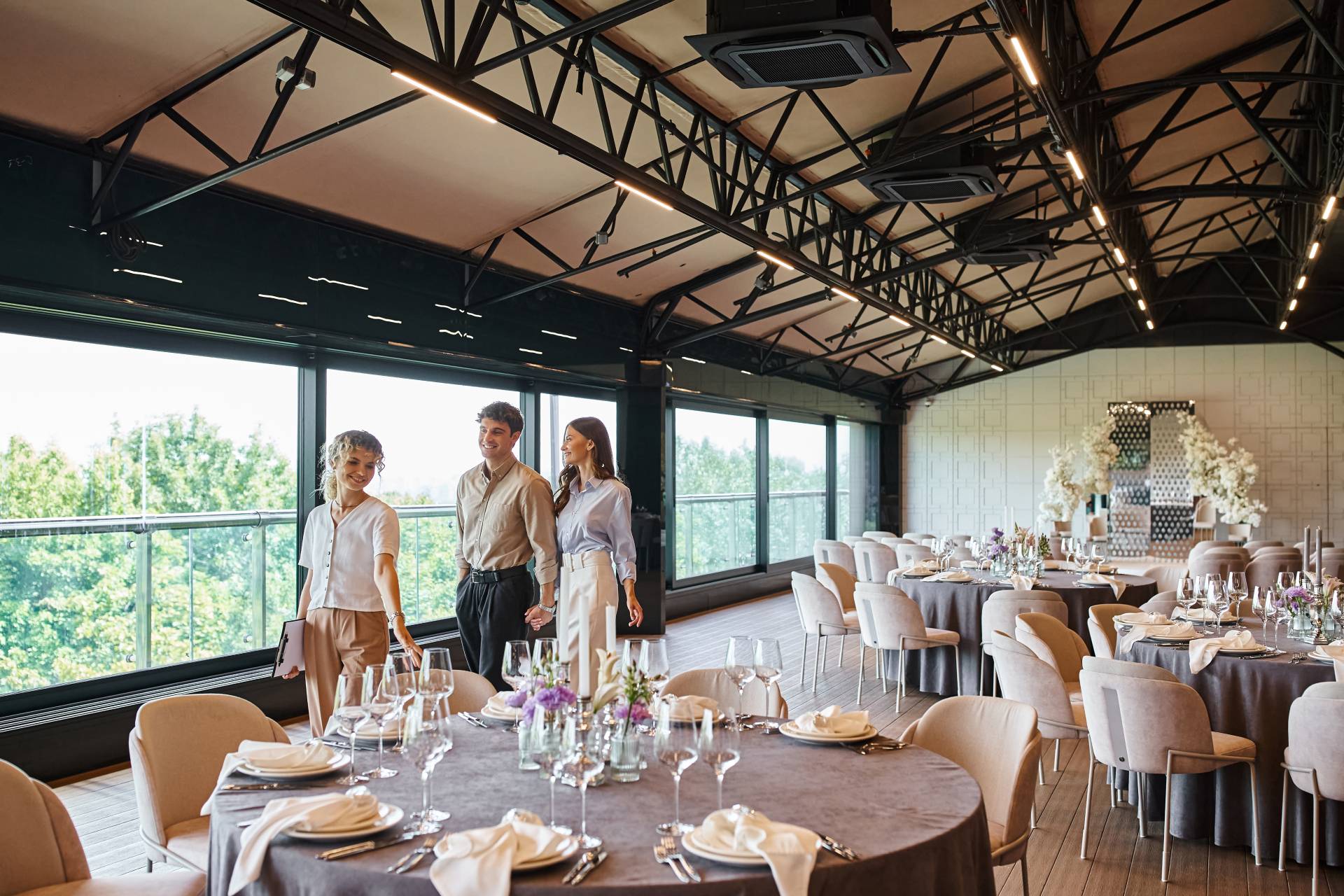
When it comes to a wedding, corporate gathering, or milestone celebration, the venue sets the stage for everything else. Guests form opinions the moment they arrive, and those first impressions can shape how the event is remembered long after it’s over. That’s why successful hosts and professional event planners alike agree: the perfect venue is spotless outside and stunning inside. To ensure your choice hits all the right notes, both interior and exterior details deserve equal attention.
First Impressions Begin Outside
The outside of a venue is the first thing guests notice. Whether it’s a grand banquet hall, a countryside estate, or a modern conference center, curb appeal matters. Landscaping, lighting, and even the condition of walkways set the tone. A well-manicured lawn or thoughtfully planted flowerbeds create a welcoming atmosphere before guests even step inside.
Equally important is the building itself. A venue with peeling paint, damaged siding, or an unkempt entryway can detract from the sense of occasion. This is why many successful venues invest in high-quality materials like metal roofing. Not only does it provide durability and longevity, but it also adds a polished, upscale look that reassures guests the property is cared for year-round.
Simply put, if the outside is overlooked, guests may wonder what to expect inside. That’s why every great event starts with exterior upkeep.
Interiors That Elevate Every Occasion
Once guests cross the threshold, the interiors take over in shaping the experience. This is where the venue must deliver on the promise made by its exterior. Comfortable seating, spacious layouts, elegant décor, and good lighting all contribute to an environment where guests feel at ease and engaged.
For a wedding, this may mean soft, romantic touches in the design. For a corporate gathering, it could mean professional, modern spaces with high-quality audiovisual support. For milestone celebrations like anniversaries or birthdays, flexible layouts that adapt to different party sizes are key.
When both exterior and interior elements are in harmony, the event feels seamless and memorable.
The Role of Maintenance in Guest Experience
Even the most beautiful design can lose its luster if not properly maintained. Details like clean restrooms, polished floors, and working air conditioning are basic exceptions. Yet, it’s surprising how often small oversights can leave lasting negative impressions.
This is where venue management must prioritize upkeep. Regular maintenance of roofing, landscaping, and interior finishes ensures guests only notice the event itself—not a leaky ceiling or a broken chair. For venues like a banquet hall that hosts events year-round, staying ahead of wear and tear is not just practical but essential for client satisfaction.
Why Event Planners Pay Attention to Both
Professional event planners know that success is in the details. They don’t just book a location—they evaluate it thoroughly to ensure it matches their client’s vision. That’s why event planners make sure the event is perfect, including the venue. They check everything from how easy it is for guests to park to whether the lighting inside flatters photos.
Using an event planning checklist comes in handy here. It helps planners confirm that both interior and exterior needs are met. For example, the checklist may include items like:
- Is the entrance clearly marked and attractive?
- Is the landscaping neat and inviting?
- Does the roof look well-maintained, showing the property is cared for?
- Are the interiors clean, comfortable, and versatile?
- Do facilities like restrooms and AV equipment meet expectations?
This thorough approach ensures the venue enhances rather than distracts from the event.
Why Venues Should Invest in Both Sides
For venue owners, investing in both the inside and outside is not only about aesthetics; it’s about reputation. Guests who are impressed with a location are more likely to share positive feedback and recommend it to others. Similarly, planners who know they can rely on a property’s upkeep are more likely to book repeat events.
Upgrades like professional landscaping, modern lighting, and metal roofing can dramatically improve exterior appeal, while refreshed interiors keep the venue competitive in a crowded market. Ultimately, these investments pay off in long-term bookings and client loyalty.
When selecting a venue, remember that appearances inside and out matter equally. From a pristine exterior with welcoming landscaping and a polished roofline to interiors that support comfort and celebration, every detail contributes to the overall success of an event. When paired with a detailed planning checklist, the perfect venue becomes a backdrop for memories that last a lifetime.
Whether you’re an event planner coordinating the details or a host choosing a location for your milestone moment, giving equal weight to interiors and exteriors ensures the venue shines as brightly as the occasion itself.
Spotless Outside, Stunning Inside: The Complete Guide to Venue Presentation
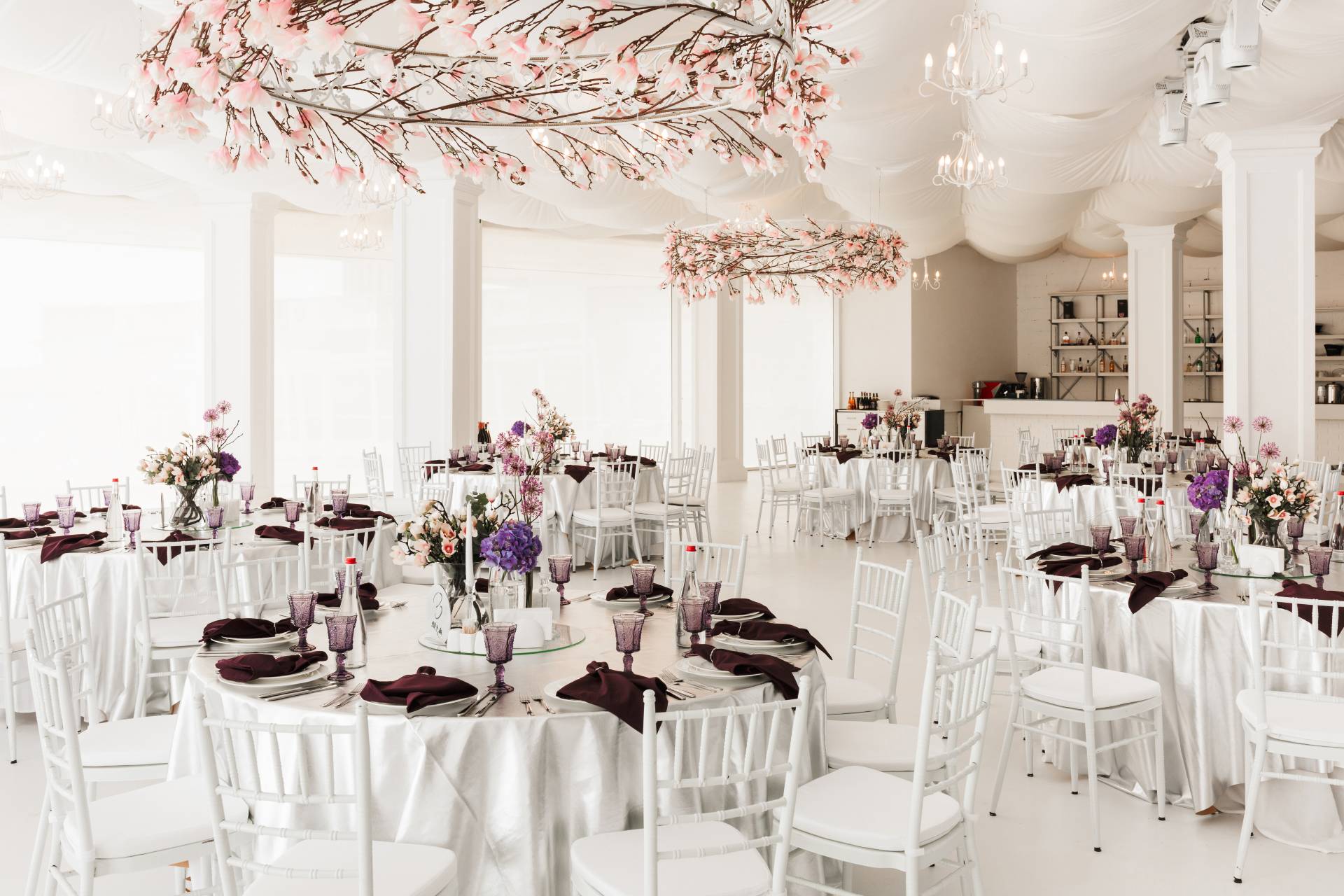
When planning a memorable event, every detail matters—none moreso that the look and feel of the venue itself. Guests begin forming opinions long before the first toast is raised or the first dance begins. From the moment they step onto the property, they’re evaluating cleanliness, ambiance, and overall presentation. For any banquet hall, ensuring both the exterior and interior are pristine is essential. After all, a stunning exterior and well-kept interior are key factors when selecting the ideal venue for your event.
First Impressions Begin at the Door
Before guests step into a banquet hall, they encounter its surroundings: parking areas, pathways, landscaping, and the building’s façade. A cracked walkway or stained siding can unintentionally send the wrong signal. Guests may begin to question whether the same attention to detail will be carried inside.
First impressions are powerful; people form lasting judgments within seconds. For event hosts, this means that even the most carefully curated décor inside can’t completely erase an unkempt exterior. A spotless outside is not only visually appealing but also a sign of professionalism and care.
The Power of Professional Power Washing
One of the most effective ways to maintain a venue’s exterior is through regular power washing. Over time, dirt, algae, mold, and pollution can build up on walls, walkways, and outdoor features. Left untreated, these not only tarnish appearances but may also cause long-term structural damage.
Professional power washing restores surfaces to like-new condition. Sidewalks look brighter, siding regains its original colour, and patios sparkle again. Beyond aesthetics, power washing also enhances safety by reducing slippery surfaces caused by moss or mildew buildup.
For event planners touring potential venues, these details matter. A well-maintained exterior demonstrates that the venue team invests in the upkeep. It sends a message of reliability, encouraging planners to place their confidence in a venue that clearly takes pride in its property.
Setting the Stage Inside
Once guests step inside, the venue should continue the story the exterior has begun. An immaculate interior speaks volumes about how seriously a banquet hall treats each event. Clean floors, polished fixtures, and spotless windows create a welcoming atmosphere that allows décor and design choices to shine.
From restrooms to reception areas, every space contributes to the guest experience. Even the smallest oversight, like a dusty corner or smudged glass, can distract from the overall impression. In a competitive market, flawless cleanliness can be the differentiator that convinces a planner to book.
Just as with the exterior, investing in professional cleaning services ensures that interiors stay consistently guest-ready. Routine deep cleans, attention to detail, and maintenance of high-traffic areas help guarantee that every visitor encounters the same high standard.
Inspiring Confidence in Event Planners
Event planners juggle countless moving parts. Their reputations hinge on delivering seamless experiences for clients and guests alike. That’s why they look for venues that feel like a trusted partner rather than a risk.
A banquet hall that consistently presents itself with a sparkling exterior and a flawless interior eases planners’ concerns. It signals that management values professionalism, reliability, and guest satisfaction. When cleanliness is unquestionable, planners can shift their focus to creative design, catering, and entertainment as they trust the venue will meet expectations.
To ensure nothing is overlooked, include venue appearance and cleanliness in your complete event planning checklist. By prioritizing presentation, planners protect themselves from last-minute stress and strengthen their ability to deliver successful events.
Creating Memorable Guest Experiences
Guests may not consciously notice every detail of a spotless venue, but they always feel the difference. A sparkling entryway sets a celebratory tone. A fresh, fragrant reception hall build excitement. Clean restrooms maintain comfort and ease. All of these factors, though subtle, add up to a seamless experience that guests remember long after the event ends.
When it comes to hosting unforgettable events, appearance truly matters. From the gleam of freshly power washed walkways to the polish of a pristine ballroom, every detail contributes to the overall impression. Whether it’s a wedding, corporate gala, or milestone celebration, the venue becomes the backdrop against which memories are made. A banquet hall’s pristine presentation elevates guest experiences, reassures event planners, and ensures the venue continues to be chosen for life’s most important moments.

How the Event Industry is Embracing Technology
Technology is rapidly transforming the way we plan and experience events. Whether you’re organizing a wedding, gala, or birthday celebration at a banquet hall, the right tech tools can streamline planning and enhance guest experiences. From digital platforms to immersive media, the event industry is embracing innovation like never before.
Smarter Planning from the Start
If you’re planning an event, make sure to have a checklist—but you can ditch the paper. Digital planning tools now help hosts manage everything from guest lists to timelines. With real-time updates and mobile apps, you can stay on top of tasks, share information with vendors, and make quick changes without the stress.
Online RSVP tracking, automated reminders, and collaborative platforms make it easier to coordinate all the moving parts. This efficiency means fewer surprises and more time for you to focus on the fun details.
Touring Venues from Your Screen
Virtual tours have changed how people choose a banquet hall. Rather than visit multiple locations in person, you can explore spaces through interactive 3D walkthroughs or video consultations. Some venues even offer augmented reality previews, letting you visualize different layouts and décor options on your device.
This not only saves time but also helps you make faster, more confident decisions when booking a space. It’s all about creating a smoother experience for you and your guests.
Enhancing the Guest Experience
From digital guestbooks to interactive photo booths, tech-driven features are elevating how guests engage with events. At social gatherings, social media walls and custom event hashtags create real-time buzz. At corporate events, live polls and interactive apps boost audience participation.
These elements make events more engaging, personalized, and memorable. And because many tools work through smartphones, guests can connect without needing extra equipment.
Seamless Vendor Communication
Tech isn’t only for the guests. It’s also changing how planners and vendors work together. Shared planning dashboards, cloud storage, and instant messaging tools keep everyone in sync. An event planner will help you figure things out, but they now also have digital tools that simplify vendor communication. Whether you are finalizing catering details or confirming lighting plans, smooth communication means smoother events.
Some banquet hall teams also offer online client portals for easy access to contracts, floorplans, and schedules in one place.
Modern Photography and Videography
Event memories are more vivid than ever thanks to advanced videography and photography. Drones, 4K cameras, and cinematic editing help capture moments with stunning clarity.
A great videographer doesn’t just record your event—they capture the feeling of it. With tools like slow motion, aerial views, and same-day edits, they create content that tells a captivating story.
Photographers are also using AI tools to sort and enhance photos quickly, delivering beautiful results in less time.
Going Live for Remote Guests
Not everyone can attend every event in person, but that does not mean they have to miss out. Livestreaming has become a standard feature at many events, allowing remote guests to tune in live and feel part of the moment.
Many banquet halls are not equipped with AV setups that support professional streaming. This ensures a seamless experience for both hosts and virtual attendees, especially for weddings, conferences, and hybrid gatherings.
Data That Drives Better Events
Post-event data is becoming a valuable planning tool. Platforms now provide insights into attendance, engagement levels, and popular features. This data helps hosts refine future events based on what worked best.
For example, you might learn which menu items were most popular or which sessions guests engaged with most. With that kind of feedback, you can make smarter choices the next time you plan.
Technology is no longer a nice-to-have; it is now essential to modern event planning. Whether it’s virtual venue tours, livestreaming, or digital planning tools, today’s innovations offer better organization, more engaging experiences, and lasting memories.
So, if you are planning an event, remember this: make sure to have a checklist, use the latest tools, and partner with professionals who stay ahead of the curve. An event planner will help you figure things out, and great vendors can help bring your vision to life. With the right mix of tech and creativity, your next celebration or event at a banquet hall can be smoother, smarter, and unforgettable.

Buffet vs. Plated Dinner: Pros and Cons for Your Event
When planning a large gathering or special celebration, choosing between a buffet or plated dinner can significantly shape the overall experience. From weddings to corporate functions, the style of meal service you select should reflect your event’s tone, logistics, and guest preferences. Before locking in your menu with your venue or caterer, take time to weigh the benefits and drawbacks of each dining style. The right choice can enhance guest satisfaction and ensure a smooth flow throughout the event.
Buffet-Style Dinners: Flexibility and Variety
Buffer dinners offer guests a chance to select their own meals from a spread of dishes typically arranged on long tables. This style is appreciated for its informal feel and extensive food options.
Pros
- Greater food variety: Buffets typically include multiple main courses, sides, and salads, allowing guests to build a plate that suits their preferences.
- Self-pacing: Guests can choose when they eat, which gives them more control and reduces the feeling of being rushed.
- Easier dietary accommodations: Buffets make it easier to offer vegetarian, gluten-free, or culturally specific options, which helps you make sure that you cater to everyone when planning the menu for your event.
- Cost efficiency: In some cases, buffets can be more budget-friendly due to reduced staffing needs.
Cons
- Long lines and wait times: Especially at large events, guests may have to wait to access the food, which can disrupt the flow.
- Presentation concerns: The display may become messy over time, affecting visual appeal.
- Limited formality: If your event is aiming for an elegant or formal vibe, a buffet might not deliver the sophistication you’re after.
Plated Dinners: Elegance and Structure
Plated dinners involve guests being served individual courses by waitstaff, often in a more structured and choreographed dining experience. This option is common for weddings, gala dinners, and other formal gatherings.
Pros
- Elegant presentation: Plated meals are generally more refined, often designed to look visually appealing.
- Time management: Because the meal is served in a controlled manner, event timelines (such as speeches or entertainment) can be more easily maintained.
- Guest comfort: No need to get up and wait in line; guests can remain seated and enjoy being served.
- Better portion control: With fixed servings, it’s easier to manage food quantities and waste.
Cons
- Limited choice: Typically, guests pre-select a meal option or are served a set menu, which may not suit everyone’s preferences.
- Higher staffing costs: More servers and kitchen staff are usually required, which can increase overall expenses.
- Less flexibility for dietary needs: Unless guests communicate special requirements ahead of time, accommodating allergies or restrictions can be challenging.
Match Your Meal Service Style to Your Event Type
Your event type should strongly influence your decision. If you’re hosting a casual celebration, family reunion, or community fundraiser, a buffet might encourage mingling and feel more relaxed. Conversely, a plated dinner often suits formal events like milestone anniversaries or award ceremonies, where maintaining a particular ambiance is important.
Think about your guest list, venue layout, and timeline. In a spacious banquet hall with a high guest count, buffets might be harder to manage efficiently without multiple serving stations. Alternatively, a smaller plated event can feel more intimate and streamlined.
Also, consider what your guests will appreciate most. Families with children might prefer the ease of a buffet, while older guests or corporate attendees may value the sophistication and comfort of a seated meal.
Budget and Staffing Considerations
Budget plays a crucial role in meal service decisions. While buffets often appear more cost-effective at first glance, costs can climb with high-end menu options or if multiple attendants are required to restock and maintain the stations.
Plated dinners, though typically more expensive due to staffing and preparation, can allow for more predictable budgeting. Pre-plated meals mean exact numbers, reducing food waste and allowing tighter inventory control.
Don’t forget to factor in your caterer’s capabilities and your venue’s facilities. Some venues are better equipped for one style over the other, and that can influence both your cost and service quality.
There’s no one-size-fits-all answer when it comes to buffet versus plated dinners. The best choice depends on your event goals, guest expectations, and logistical considerations. Always match your meal service style to your event type and make sure to cater to everyone when planning the menu. Whether in a grand banquet hall or in a more intimate setting, your choice of dining style can make a lasting impression. Thoughtfully weighing the pros and cons of each option ensures that your event is not only well-fed but also well-executed.
The Ultimate Event Planning Checklist for Any Occasion
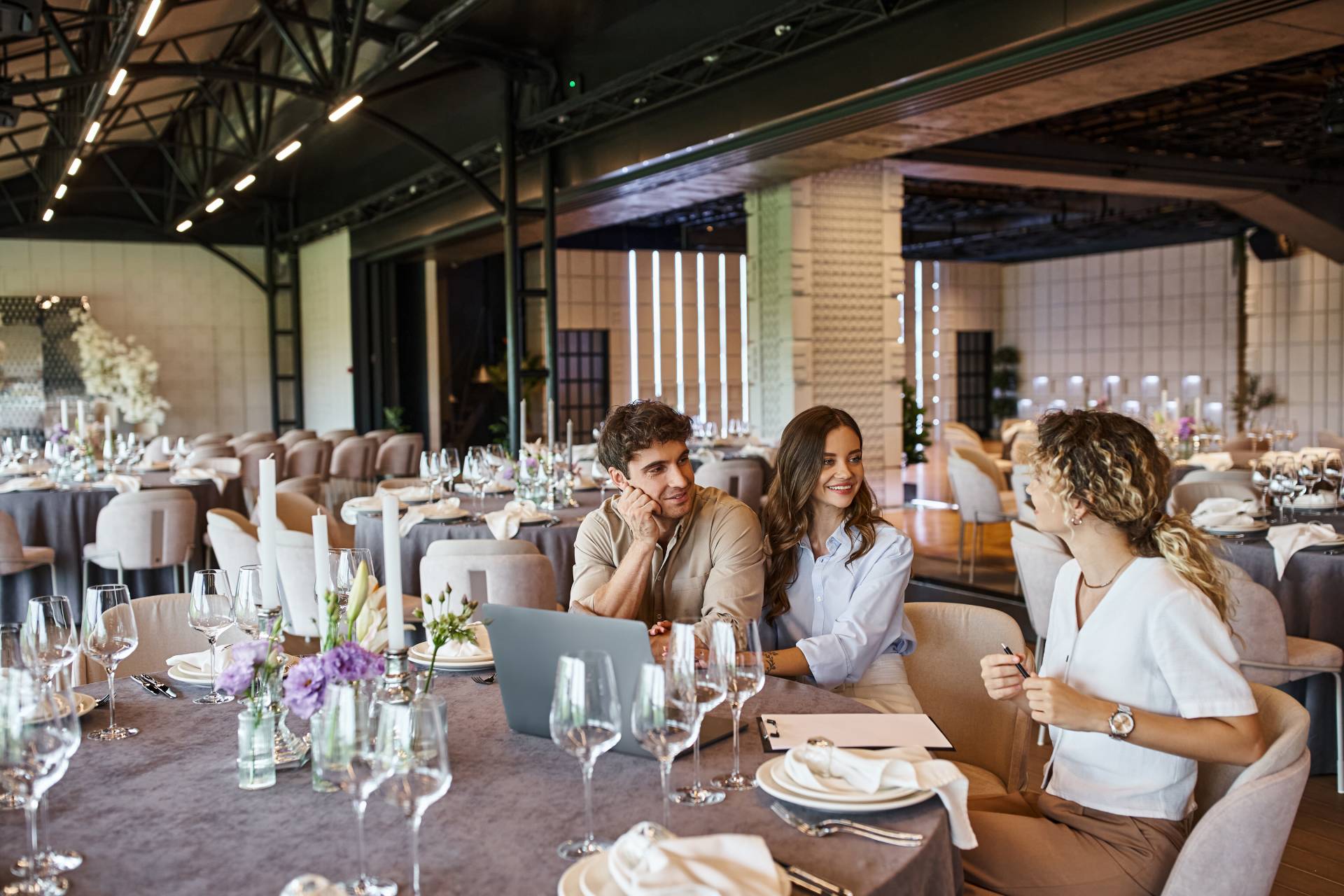
Whether you’re organizing a wedding, corporate event, birthday bash, or charity fundraiser, planning any event takes careful coordination and attention to detail. A reliable checklist is your best tool for keeping everything on track. This guide offers a comprehensive breakdown to help you manage each stage of the planning process from concept to clean-up.
1. Define Your Event Goals and Budget
Start with the big picture. What’s the purpose of your event? Are you celebrating, networking, entertaining, or raising funds? Once you’ve clarified your objectives, it’s time to build a realistic budget.
Include major expenses like venue rental, catering, entertainment, décor, photography, and marketing. Always set aside a contingency fund for unexpected costs. Your budget will influence every other decision you make, so it’s crucial to get this right from the outset.
2. Choose the Right Venue
Your venue sets the stage for the entire experience. Consider your guest count, event type, and theme. A banquet hall is a versatile option, ideal for both formal and informal gatherings, and its exterior architecture can also contribute to first impressions, photo opportunities, and overall ambiance.
Be on the lookout for essential venue features such as accessibility, parking availability, AV capabilities, lighting, and restrooms. Ask whether the venue provides tables, chairs, or staff. If food is available in-house, be sure to check out their menu early in the process to accommodate preferences and dietary needs.
3. Set the Date and Send Invitations
Lock in your date early—popular venues and vendors book up fast. Once your date is confirmed, create your guest list and choose how you’ll send invitations. Digital invites are efficient and eco-friendly, but printed versions may suit more formal occasions.
Include clear RSVP instructions and a deadline. This helps you finalize numbers for seating, food, and favours. Event management tools can simplify the tracking process.
4. Build the Event Timeline
An organized schedule helps everything run smoothly. Break your event down into segments: arrival, welcome speech, meal service, entertainment, and closing. A detailed itinerary ensures vendors and participants stay aligned.
Consider assigning a master of ceremonies or point person to guide the event and troubleshoot issues as they arise.
5. Book Your Vendors
Book your vendors well in advance. Depending on your event, you might need a caterer, photographer, florist, DJ or live band, decorator, and AV technician. Read reviews, compare quotes, and schedule consultations.
If the venue doesn’t provide food, secure a caterer and always check out their menu before committing. Ask about vegetarian, vegan, and allergy-friendly options.
6. Plan the Theme and Décor
Your theme shapes the visual and emotional tone of the event. Whether it’s elegant, whimsical, rustic, or modern, choose colours, textures, and lighting that support your vision.
Work with a decorator or DIY the décor using mood boards for inspiration. Include elements like table settings, signage, centrepieces, and entry displays. Keep everything cohesive for maximum impact.
7. Handle Permits and Logistics
Don’t let logistics fall through the cracks. Confirm setup and teardown times with your venue. Coordinate delivery schedules with vendors. If your event involves alcohol, live music, or outdoor spaces, check whether permits are required.
Designate parking spaces, restrooms, and emergency exits clearly. Having a layout plan helps everyone navigate the space easily.
8. Create a Contingency Plan
Even the best-laid plans can go awry. Weather, vendor delays, or tech issues might disrupt your event. Develop a backup plan for major elements like catering, sound systems, and outdoor setups.
Have extra supplies on hand, such as extension cords, tape, umbrellas, and first aid kits, and make sure your team knows who to contact if problems arise.
9. Promote the Event (If Applicable)
If your event is public-facing—like a fundraiser, concert, or seminar—promotion is key. Use social media, email campaigns, community calendars, and partnerships to get the word out. Tailor your messaging to your audience and keep branding consistent.
Offer early bird registration or special promotions to boost engagement. For private events, keep guests informed through updates or reminders.
10. Finalize and Execute
In the final week, confirm all bookings, deliveries, and staffing. Revisit your checklist to ensure nothing has been missed. Print copies of your event schedule and distribute it to vendors and team members.
Arrive early on event day to oversee setup and greet vendors. If possible, delegate tasks so you can focus on enjoying the event. A calm, prepared attitude helps everything run more smoothly.
Successful events don’t happen by accident—they’re the result of detailed planning and clear execution. By following this checklist, you’ll reduce stress and create a memorable experience for your guests.
After the event, take time to evaluate what worked well and what could be improved. Send thank-you messages to attendees, staff, and vendors. Whether you hosted your event in a stylish banquet hall or an intimate backyard, celebrating the results of your hard work is well-deserved.
Catering to Everyone: Planning a Diverse Menu for Your Event
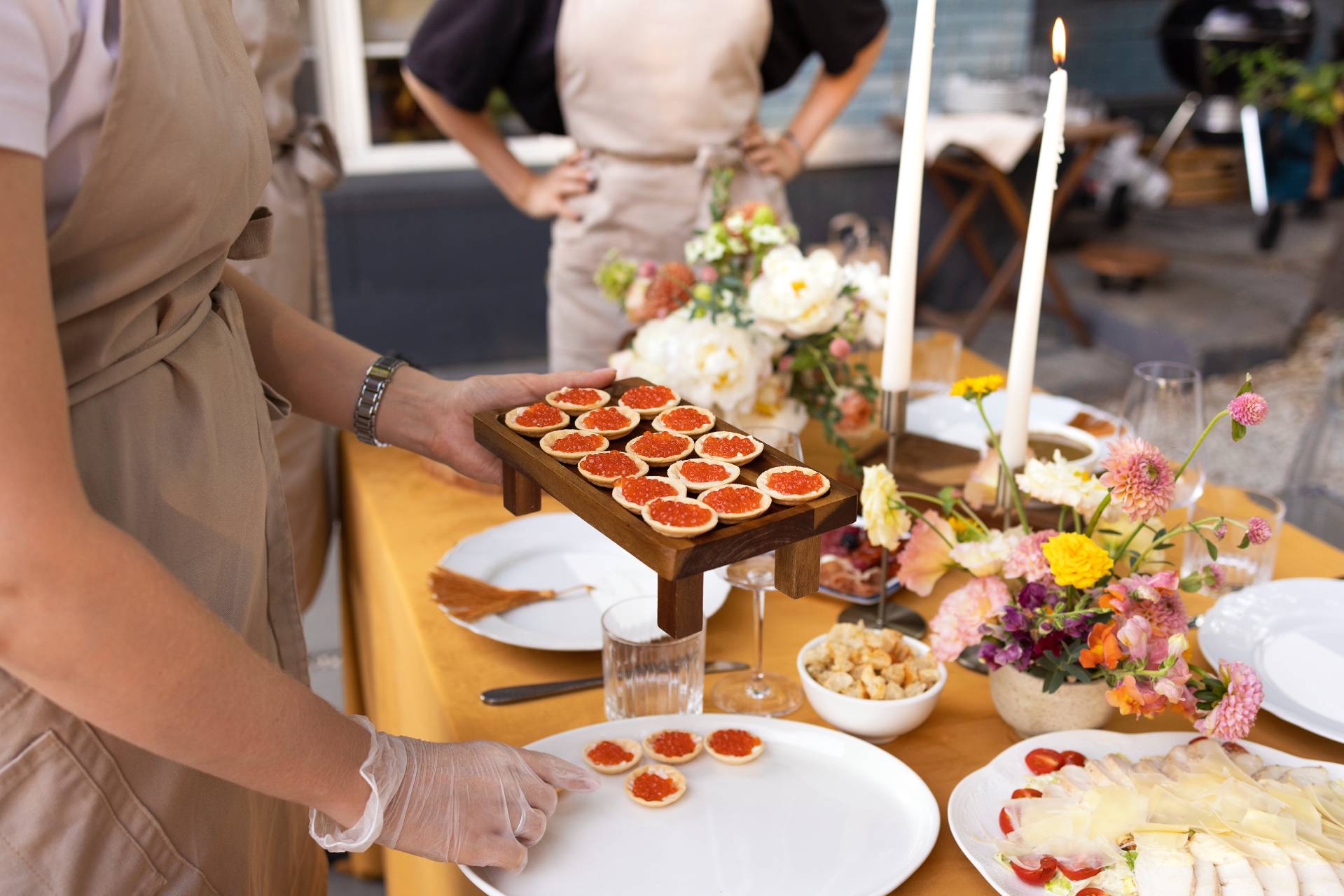
When hosting an event, especially when considering a large scale fundraising event or a major celebration at a banquet hall, food plays a starring role in your guests’ experience. A thoughtfully curated menu not only satisfies hunger but also showcases your attention to detail and inclusivity. With diverse diets, allergies, cultural traditions, and personal preferences in the mix, planning the right menu can feel overwhelming. However, with the right approach, you can create a meal experience that leaves everyone feeling welcome and appreciated.
Understanding Your Audience’s Needs
Before you even think about selecting appetizers or entrees, it is important to consider who will be attending your event. For a large scale event, the crowd can be incredibly diverse, representing various age groups, cultural backgrounds, and dietary restrictions. Gathering information ahead of time, through RSVP cards or registration forms, can provide valuable insights into what your guests need.
Even if you are hosting a smaller event, such as a wedding or corporate gathering, understanding your audience is crucial. Take time to anticipate common dietary preferences such as vegetarian, vegan, gluten-free, dairy-free, kosher, or halal needs. Including a few popular, universally loved dishes alongside more specialized options ensures that every guest finds something to enjoy.
Embracing Cultural and Dietary Diversity
A truly inclusive menu reflects and respects the diversity of your guest list. When you are working with a banquet hall that offers on-site catering, discuss the possibility of incorporating international cuisines into the menu. Offering global flavours not only broadens your guests’ dining experience but also sends a clear message that you value their cultures.
At the same time, it is important to address dietary needs with more than just one “safe” dish. A single vegetarian option squeezed into an otherwise meat-heavy menu feels like an afterthought. Designing balanced and varied options across appetizers, entrees, and desserts ensures that everyone feels considered and included. Remember, inclusivity in food isn’t just about avoiding allergens; it’s about creating a meal that brings people together rather than highlighting their differences.
Working with the Right Professionals
Sometimes, planning such a nuanced and thoughtful menu can feel like too much for one person, especially if you are juggling other aspects of event organization. This is when it becomes a smart move to hire an event planner to help you out. Experienced planners understand the complexity of large gatherings and have trusted relationships with caterers who can execute diverse menus beautifully.
When selecting a caterer, especially in connection with a banquet hall, it is wise to schedule tasting sessions and ask about their experience handling special dietary requirements. Event planners can coordinate between you and the catering team, ensuring nothing is overlooked and that food labeling is clear and helpful on the day of the event.
Presentation Matters Too
Inclusivity does not stop at the ingredients list; presentation also plays a key role. Buffet setups can be very accommodating if properly organized. Clearly labeled stations for vegetarian, vegan, and allergen-free options make it easy for guests to find what they can eat without needing to ask uncomfortable questions.
When serving plated meals, offering a choice of entrees and allowing guests to select ahead of time gives everyone a sense of agency and comfort. Even at smaller events, thoughtful presentation can prevent cross-contamination and showcase the effort you put into considering everyone’s needs.
The Importance of Flexibility
Even the best-laid plans can encounter last-minute changes. A guest might forget to mention an allergy, or a key ingredient might become unavailable. Remaining flexible and maintaining open communication with your caterer is essential. When you hire an event planner, they can act as the point person to swiftly manage adjustments, reducing your stress and ensuring a smooth experience for your guests.
Flexibility also means being ready with backup options. A few extra vegan dishes or gluten-free desserts can go a long way in making someone’s night. Simple gestures like these reflect positively on you as a host and help foster a welcoming atmosphere for everyone.
Food is more than just nourishment; it is an experience, a conversation starter, and a symbol of hospitality. When planning an event, taking the time to design an inclusive and diverse menu shows genuine care for your guests. Whether you work closely with a caterer, hire an event planner, or take the reins yourself, the effort you invest will be clear to everyone who shares a seat at your table.

Essential Venue Features for Large-Scale Fundraising Events
The Importance of Choosing the Right Venue
When planning large-scale fundraising events, one of the most crucial decisions is selecting the perfect banquet hall. The venue sets the stage for the entire event, influencing guest experience, engagement, and overall success. A well-chosen space ensures a smooth flow of activities, enhances networking opportunities, and creates an inviting atmosphere for donors. Whether you're hosting a charity gala, silent auction, or benefit dinner, securing the right venue is essential to making a lasting impact. Understanding the considerations when choosing a banquet hall will help you navigate through options that best suit your event’s needs.
Feature #1: Ample Space and Capacity

A spacious venue is fundamental for a successful fundraising event. Guests should feel comfortable and have ample room to move around without feeling cramped. The venue should provide flexible seating arrangements to accommodate different event formats, such as seated dinners, cocktail receptions, or theatre-style presentations. Ensuring accessibility for guests with mobility challenges is also essential, as inclusivity should be a priority in any large-scale event.
Additionally, having distinct areas for various activities, such as silent auctions, sponsor booths, or networking lounges, enhances engagement and encourages attendees to interact. If the event includes a stage or presentation area, the venue should have a clear line of sight from all seating positions to keep guests engaged.
Feature #2: High-Quality Audiovisual Equipment

A fundraising event relies heavily on effective communication, and high-quality audiovisual equipment plays a crucial role. A sound system that delivers crystal-clear audio ensures that speeches, live entertainment, and announcements are heard by everyone in attendance. Poor sound quality can cause disengagement, making it difficult for guests to connect with the event’s mission.
Large screens and projectors are equally important, especially if you’re showcasing impact stories, donor acknowledgments, or live donation tracking. A reliable internet connection is necessary for streaming and virtual participation, ensuring broader reach for your cause. Before finalizing a venue, always test the AV setup and ensure that on-site tech support is available to troubleshoot any issues that may arise.
Feature #3: Catering and Refreshment Services

Food and beverage offerings can make or break an event. High-quality catering enhances the guest experience, making them more likely to stay longer and contribute to the fundraising goal. Venues with in-house catering services often provide more streamlined event execution, but hiring external caterers can offer a broader range of menu options.
When planning the menu, consider dietary restrictions and preferences to accommodate all guests. Offering a mix of vegetarian, vegan, gluten-free, and allergen-free options demonstrates thoughtfulness and inclusivity. Presentation also matters—elegantly plated meals or creatively displayed buffet stations enhance the overall dining experience.
Feature #4: Parking and Transportation Accessibility

Guest convenience is a top priority, and having sufficient parking is a major consideration. Large-scale fundraising events often attract high-profile donors, corporate sponsors, and community members who may prefer to drive. The venue should have ample on-site parking or nearby parking facilities to accommodate attendees.
For guests relying on public transportation or rideshare services, choosing a venue with easy accessibility can make a significant difference. Valet services can also be a great addition, offering convenience for VIP guests. When selecting a venue, consider its location and ease of access for all attendees.
Feature #5: Event Security and Crowd Management

With a large crowd gathered for a fundraising event, security becomes a priority. A venue with trained security personnel ensures that all guests feel safe and that any potential issues are handled efficiently. Crowd management strategies, such as designated entry and exit points, security screenings, and controlled access to restricted areas, contribute to a smooth event experience.
Emergency preparedness is another essential factor. The venue should have clearly marked emergency exits, fire safety measures, and access to medical assistance if needed. Taking these precautions ensures that the event runs smoothly without interruptions.
Feature #6: Ambiance and Aesthetic Appeal

First impressions matter, and a well-designed venue enhances the overall atmosphere of your event. The décor, lighting, and overall ambiance should align with the theme of the fundraiser. A visually appealing venue makes a lasting impression on guests and can encourage generosity among donors.
Many venues offer customizable décor options, allowing event organizers to incorporate branding elements or themes that reflect the cause. Whether it's elegant lighting, floral arrangements, or personalized banners, enhancing the visual appeal of both the interior décor and the exterior architecture contributes to a memorable experience for attendees.
Feature #7: Technology and Donation-Friendly Features

Seamless donation collection is a critical aspect of a fundraising event. The venue should support modern fundraising technology, such as mobile-friendly donation stations, QR codes, and live donation tracking displays. These features encourage real-time contributions and create excitement among attendees.
Auction software, digital payment options, and donor recognition screens add another layer of engagement. Having on-site tech support ensures that these elements function smoothly throughout the event. Coordinating with an event planner can help integrate these technological aspects seamlessly.
Feature #8: Networking and Engagement Areas

A successful fundraising event goes beyond collecting donations; it fosters connections and builds relationships. Providing designated spaces for networking, such as VIP lounges, cocktail areas, or sponsor zones, encourages meaningful interactions among attendees.
These spaces allow sponsors, donors, and beneficiaries to connect and engage in meaningful conversations. Comfortable seating areas and interactive engagement zones contribute to a more relaxed and enjoyable event atmosphere.
Setting the Stage for a Successful Fundraiser
Choosing the right venue is a key factor in ensuring the success of large-scale fundraising events. A well-equipped banquet hall with ample space, high-quality AV support, and accessibility features sets the foundation for an engaging and memorable experience. By considering factors such as catering, security, and ambiance, event organizers can create an environment that encourages generosity and support for their cause.
Ultimately, a thoughtfully chosen venue enhances every aspect of the event, from guest comfort to fundraising effectiveness. By prioritizing these essential venue features, you can elevate your fundraiser and leave a lasting impact on both attendees and beneficiaries.